
For Participants

The Breast Cancer Now Generations Study participants are a dedicated group of 110,000 women from across the UK who have been contributing to the study for over 20 years.
Newsletters
Newsletters are sent biannually to ensure participants are kept up to date on research progress and findings. They also serve as place of community building where participants can share their experiences with being a part of the study.
Featured News & Stories from the most recent participant newsletter:


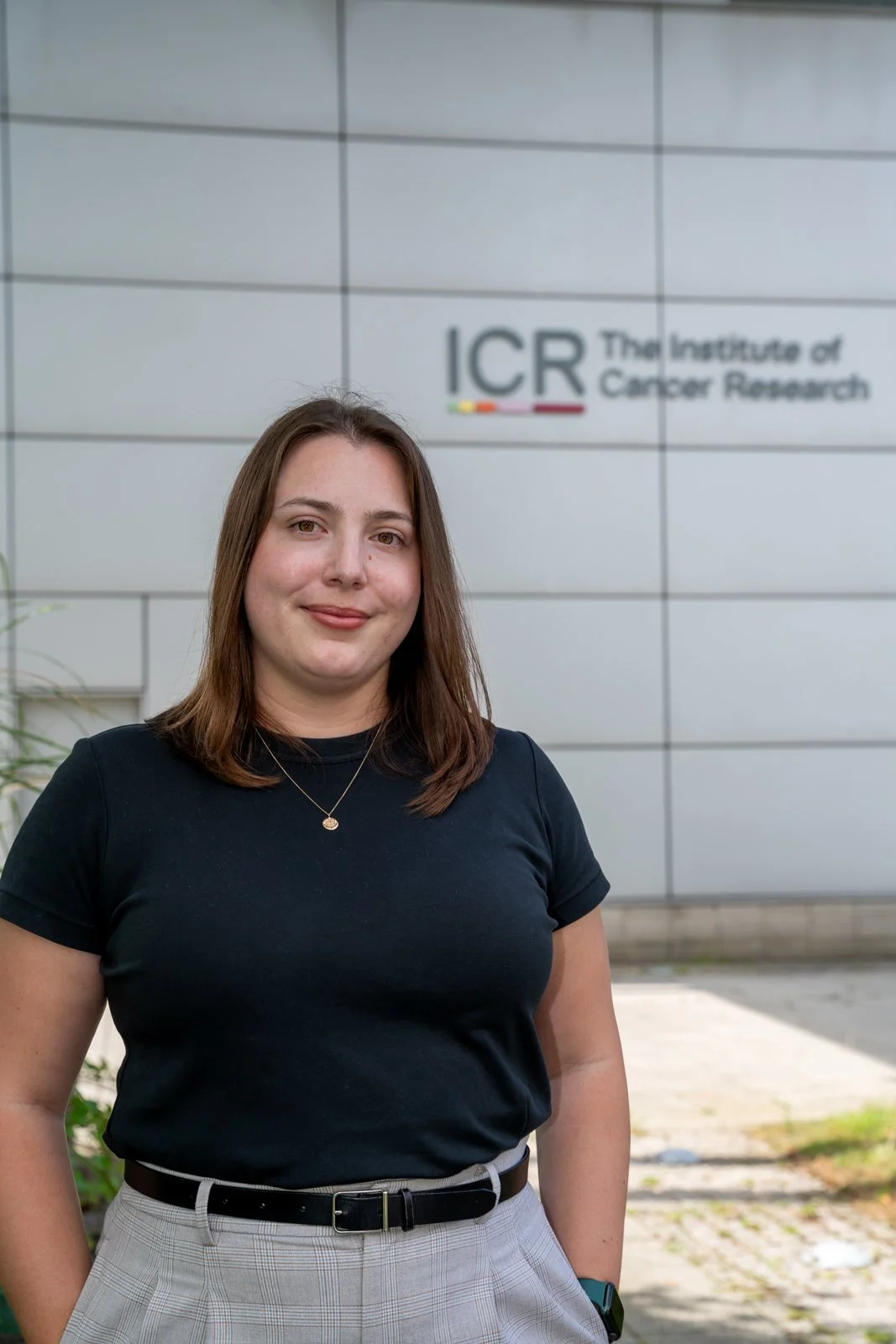
Participant Panel
Centring participant voices in Generations Study is important to the integrity and success of the study.
The Participation Panel consists of a representative group of study participants who meet biannually to give feedback to the Generations Study research team and contribute to planning future research initiatives. The goal of the panel is to integrate participant voices in the development of new research initiatives and provide a general forum for feedback.
Outside of Participant Panel, we regularly communicate with our entire participant populations through newsletters and have direct email channels set up to answer any personal questions or to provide feedback.
If you would like to know more about the Participant Panel and how to get involved, please contact us for more information.
Update Contact Information
It is important that the Generations Study has updated contact information for all of our participants to ensure that study updates and any future data collection inquiries can reach you.
If you would like to update your contact details for any reason, please complete the form below or email us.
Withdrawal
We greatly value your continued participation over the years, which has contributed to important research discoveries at the Generations Study. However, you can reduce your involvement or withdraw from the study at any time, without giving any reason.
Below you will find your opt out options and step-by step guidance on how to notify us of your decision.
If you’d like to stay in the Generations Study but prefer not to receive further contact from us, you can choose to reduce your involvement.
Partial Withdrawal: You will no longer receive contact from the programme, but your samples and existing data can still be used in future research.
Full Withdrawal: All contact will cease, and your samples and data will be destroyed or put beyond use.
How to notify us of your decision:
Please complete and submit the appropriate webform to let us know your decision.
After submitting the form save a copy of it for your reference.
If you still have questions, please refer to our FAQs or email us at generationscohort@icr.ac.uk.


Reduce Your Involvement
If you choose to reduce your involvement you will no longer receive follow-up questionnaires and other study communications, such as the study newsletters.
If you choose this option, you will remain a participant in the Generations Study. Your data will still be included in analyses and we will continue to collect new information from health records such as information about cancer diagnoses.
After choosing carefully the option that fits your needs, please complete the form below and submit it back to us.
Withdraw from the study
If you wish to leave the Generations Study completely, you can choose either partial withdrawal or full withdrawal.
Partial withdrawal: We will no longer contact you with questionnaires or any study communications. We will stop accessing and collecting new data from your health records. You will no longer be part of the Generations Study; however, we will continue to analyse any data and biological samples that you provided before you withdrew.
Full withdrawal: We will no longer contact you with questionnaires or any study communications. We will stop accessing and collecting data from your health records. Also, your data will not be used in any future data analysis and your biological samples will be destroyed or, if for technical reasons, will be put beyond use. However, it will not be possible to remove your data from any research that has already started, or from any datasets released for research that were prepared before you withdrew. You will no longer be part of the Generations Study and we will only keep a simple record about your preferences so that we know not to contact you in future.
Main differences between the two withdrawl options:

Please note that if you do not want us to use your biological samples for further analysis, you will have to choose full withdrawal.

After choosing carefully the option that fits your needs, please complete the form below and submit it back to us.
FAQs
Find answers to frequently asked questions (FAQs). Choose from the list of topics below.
FAQs: About the study
-
The Breast Cancer Now (BCN) Generations Study (formerly Breakthrough Generations Study) is one of the largest and most comprehensive studies of women’s health in the UK. Launched in 2004, it focuses on understanding the causes, prevention, and outcomes of breast cancer.
More than 110,000 women aged 16 and above from across the UK have taken part. Participants are followed over time to collect detailed information about their health, lifestyle, environment, genetics, medical history, and medical imaging.
-
By studying a wide range of risk factors — including medical history, genetics, blood biomarkers like hormones, lifestyle, body measurements, reproductive history, and environmental exposures — the study aims to understand why some women develop breast cancer and others do not, and what factors affect prognosis and life after breast cancer.
-
The study is led by Professor Montserrat García-Closas and Professor Amy Berrington at The Institute of Cancer Research (ICR).
Learn more about the investigators by visiting the Meet the Team section.
-
We are grateful for the commitment and funding provided by the sponsors of the study – Breast Cancer Now (funder) and The Institute of Cancer Research (host institution).
Note: The charity Breakthrough Breast Cancer, which originally sponsored the study, merged in 2015 with Breast Cancer Campaign to form Breast Cancer Now, which continues to fund and support the study.
Find out more about Breast Cancer Now at breastcancernow.org.
-
The governance structure of the Generations Study is modelled on frameworks used by other major UK data resources to ensure robust oversight and responsible use of participant data and samples.
The Management Committee (MC) consists of representatives from the funder, Breast Cancer Now (BCN), and The Institute of Cancer Research (ICR). These two organisations act as joint legal custodians of the study and hold ultimate oversight and decision-making authority.
The Principal Investigators (PIs) report to the MC and are responsible for designing and implementing the research strategy, as well as protecting participants’ data and biological materials in accordance with ICR’s legal and ethical responsibilities.
The Scientific Oversight Committee (SOC) provides scientific and strategic advice to the PIs. This committee includes external scientific experts with relevant expertise as well as participant representatives. The SOC advises on key areas such as research priorities, operational efficiency, processes for accessing data and materials, and commercialisation issues.
The Access Committee (AC), composed of external scientists and participant representatives, develops procedures for accessing study data and materials, including the cost recovery structure.
Lastly, the Participant Advisory Panel (PAP) consists of participant representatives who provide ongoing input and feedback regarding the study’s research and participant-related matters.
FAQs: Participant data and samples
-
All data that are collected are confidential and no information is collected without your consent. Please see below more about how the Generations Study keeps your data secure.
Questionnaires
All participants completed the recruitment questionnaire when they joined the study on health factors and personal experience with cancer. Since then, there have been five follow up questionnaires to look at how these risk factors have changed over time.
Blood Samples
Most participants provided blood samples when they joined the study. These samples are securely stored for use in approved research projects. For example, researchers have used them to study possible genetic and hormonal factors that influence breast cancer risk.
Cancer incidence and mortality
We assess cancer diagnoses and death through national cancer registration and death registers (The National Health Service Central Registers). In addition, we obtain self-reported cancer diagnoses in the questionnaires, and deaths reports from family members.
Pathology Specimens
We collect pathology reports and tissue samples from hospitals for selected diagnoses, including breast and ovarian cancers, and benign breast diseases. Tissue samples are processed for research studies, and the original samples are returned to the hospitals.
Mammograms
We collect mammographic images from NHS breast cancer screening centres for participants attending breast screening. Images are processed and analysed, for instance to evaluate whether images can provide information on breast cancer risk.
Blood DNA Sequencing
Blood samples from participants are sent to external laboratories for DNA sequencing to identify genetic changes that can predispose to breast cancer and other diseases.
Blood Biomarkers
Blood samples are also used to measure biological markers- such as hormone levels- to help researchers better understand the causes of breast cancer and other diseases. These measurements also contribute to identifying which women may be at higher or lower risk of developing breast cancer and other diseases in the future.
Accelerometery
We collect physical activity data (24 hour continuous 8-day triaxial 100Hz accelerometery) for some participants in the Generations Study.
Urine Samples
We have collected urine samples for some pre- and post-menopausal participants to measure biological markers that can help researchers to better understand the causes of breast cancer and other diseases.
-
The security of your data is extremely important to us. All information collected about you is treated as confidential, and nothing is collected without explicit consent. We use encryption to protect all the data we collect and store it securely.
Participant identifying information is only available to the study team at The Institute of Cancer Research. It is not shared with other ICR employees or Breast Cancer Now. It will never be used to solicit donations by or on behalf of Breast Cancer Now or the ICR. The ICR takes appropriate and robust measures to ensure that the information is kept secure and confidential.
Access to data is granted exclusively to researchers whose projects meet our strict ethical and scientific standards. The data provided to researchers is always ‘de-identified,’ meaning any details that could directly identify participants - such as names, addresses, or dates of birth - are removed and stored separately from health-related information. At the conclusion of the study, all personally identifiable data will be securely destroyed.
For more details, please see our full Privacy and Confidentiality policy.
-
Your biological samples have been stored in compliance with the Human Tissue Act 2004.
Upon receipt, your blood sample was processed, frozen and securely stored. These samples have since been used to extract DNA, allowing researchers to study the genetic factors involved in cancer and other diseases.
Tissue samples have been requested from hospitals to develop a tissue bank of breast specimens and a digital pathology database. These samples, along with high-resolution images, will help us investigate predictors of disease progression, and subtype-specific risk factors for breast cancer.
Because your biological samples are so precious and are a limited resource, the future use of the samples will be approved by the Access Committee, who provide independent advice, to ensure that the greatest possible benefit to breast cancer research is achieved.
-
When you joined the study, we have requested your consent to access your centralised NHS records (records held by NHS England, NHS Scotland, NHS Wales, and Health and Social Care in Northern Ireland) and medical records from health providers (for instance mammography and pathology records). We only access those records of participants who have given us the permission.
-
The health records bring scientific benefits to the study in terms of data completeness and accuracy. Additionally, linking your health records helps us identify important health events, such as or hospital admissions. This allows researchers to investigate whether certain health, lifestyle, or genetic factors made these events more or less likely. Health records also provide information we can’t collect from blood samples or questionnaires, such as mammographic results, and allow us to follow your health over many years.
-
Your ongoing participation is valuable, but you have the right to reduce or stop your involvement at any time without giving a reason.
Please refer to our withdrawal information to learn more about your options and how we manage your data if you choose to reduce your participation or withdraw.
-
To have your data removed from future analyses, you must fully withdraw from the study.
You can find details about the withdrawal process and its implications in our withdrawal information.
-
Withdrawing from a specific research study is not possible. However, you can fully withdraw from the Generations Study, in which case your data and biological samples will not to be used for any further analysis.
For more details about withdrawing and what this means for your data and samples, please refer to our withdrawal information.
-
After you die, the information you have contributed to the Generations Study remains part of the programme, unless you withdraw from the programme before you die. Even after you have passed away, your data continues to be valuable to help the prevention, detection and treatment of diseases for others.
-
The Generations Study is designed to run for a very long time. We hope to track participants’ health over 40 years to help researchers identify early signs of diseases, especially those for breast cancer. Researchers may also continue to use your data after your death or if you lose mental capacity.
FAQs: Study Participation
-
The Generations Study is a long-term research programme launched in 2004, with the aim to follow participants for 40 years. We hope to collect as much information as possible about participants’ health as they age, allowing researchers to investigate why breast cancer develops.
-
Recruitment of new participants has now finished. The Generations Study is no longer accepting new participants.
-
As a participant, you will be invited from time to time to complete online follow-up questionnaires. These questionnaires collect updated information about your health, lifestyle, environment, and medical history and should take no longer than 30 minutes to complete.
You will also receive biannual newsletters sharing the latest news and updates from the Generations Study.
Additionally, you may have opportunities to provide feedback and contribute to future research planning by joining our biannual Participant Advisory Panels.
Occasionally, you might also be invited to take part in additional studies if you wish.
-
Until recently, we offered questionnaires on paper as well as online formats. However, we are no longer able to provide paper questionnaires. We kindly ask all participants to complete future questionnaires online, as this significantly decreases costs and increases the quality of the data collected.
-
You do not have to answer every question, but the more information you provide, the more valuable the research will be. Comprehensive responses help us support discoveries that could improve health and breast cancer prevention for future generations.
-
You will be asked to update your health status in upcoming follow-up questionnaires. This helps us keep accurate and current records.
-
Yes, you can reduce your involvement at any time without giving a reason.
Please see our withdrawal information for more details on your options and how your data will be managed.
FAQs: Study follow-up activities
-
Some of the research will be conducted by the Generations Study’s own research team. However, much of it will be carried out by external researchers from around the world. These researchers may be based at universities, charities, or companies in the healthcare or life sciences industries.
Any researcher wishing to access the data or biological samples must go through a strict application process. All research proposals are carefully reviewed by the Principal Investigators and/or the Access Committee (AC). The committee includes external scientific experts, participant representatives, and an ethical advisor, and provides impartial advice to ensure all research meets high scientific and ethical standards.
-
The Generations Study is a research programme, and we collect your data for research purposes only. As explained in the study information booklet sent to you when you joined the study, the Generations Study is only designed to produce research findings for the benefit of women generally and is not designed to give personal advice or counselling to individual participants.
It is important to note that providing personal health results outside of a clinical setting can be complex, and may cause unnecessary anxiety or confusion, especially if done without proper counselling or support. There are also significant ethical, logistical, and financial considerations involved, particularly when results have clinical implications, such as the discovery of a genetic mutation.
We understand that some participants may be interested in receiving personal feedback. We are currently exploring how this could be done safely and ethically, in consultation with our Scientific Advisory Committee, other large-scale studies, and ethics experts.
-
Discoveries made through the Generations Study will be published in scientific journals and made available online. Your identity and personal information will remain strictly confidential.
Please note that it may take several years for findings to emerge from the research programme. You can stay up to date by visiting our publications and newsletters pages.
-
The Generations Study was established to investigate breast cancer, from its causes to outcomes after diagnosis. If, however, there are circumstances where the causes of other cancers or diseases can be investigated, to the benefit of women’s health, without reducing the ability to find the causes of breast cancer, then the Access Committee will be able to consider and authorize such uses.
-
Discovery of genetic risk factors: A newly developed genetic risk score can help to identify high-risk women, even if they do not have relatives with cancer. This could help with personalised prevention (for example, by taking risk-reducing drugs) and early detection (such as more frequent screening) for women at high risk.
Reproductive history and cancer risk: 10 years after having a baby, women are less likely to get breast cancer compared to those who never had a baby. Although it is uncommon to have cancer soon after having a baby, the risk for having an aggressive cancer type (triple-negative) is slightly increased.
Body weight and breast cancer risk: higher body weight after menopause increases breast cancer risk. However, before menopause, higher body weight is linked to lower risk of developing early onset breast cancer, and this connection is stronger than previously thought.
Physical activity and cancer risk: Engaging in more leisure time physical activity can lower the risk of breast cancer before menopause.
-
We extract DNA (genetic information) from the blood samples you provided at recruitment. DNA contains lots of tiny ‘variants’ that contribute to many of the differences between people and influence a person’s risk of developing breast cancer and other diseases. The genetic information we generate from your samples is produced in research laboratories, not in clinical laboratories that meet the standards required for medical use. This means it cannot currently be used to guide your personal medical care.
Most of the genetic data we collect—such as information related to polygenic risk scores (PRS)—is still being studied to better understand disease risk. While these findings may one day be useful in clinical settings, they are not ready for routine medical care at this time.
In rare cases, we may discover genetic changes (such as BRCA1 or BRCA2 mutations) that could be important for medical care. We recognise that this could be life-changing information. Although the study was not originally designed to return individual results, we are actively exploring the best ways to do so in the future. Any return of results would need to be done carefully, with the appropriate clinical support, to ensure that any information shared is reliable, meaningful, and can be acted on.
FAQs: Scientific Findings
FAQs: Contact the study
-
If you are taking part in the Generations Study and want to contact the study team with feedback or inquiries on the study, please send us an email at generationscohort@icr.ac.uk
We look forward to hearing from you.
-
It is important that the Generations Study has updated contact information for all of our participants to ensure that study updates and any future data collection inquiries can reach you.
If you would like to update your contact details for any reason, please use this form.
-
If you have a concern about any aspect of this research programme, please contact us by email at generationscohort@icr.ac.uk.