
News & Stories
Autumn 2024 Participant Newsletter
Meet fellow participants and hear about their experiences
Learn more about fellow participants and their reasons for joining the Generations Study. Below we hear from Jan and Amanda.
Jan Brooks MBE
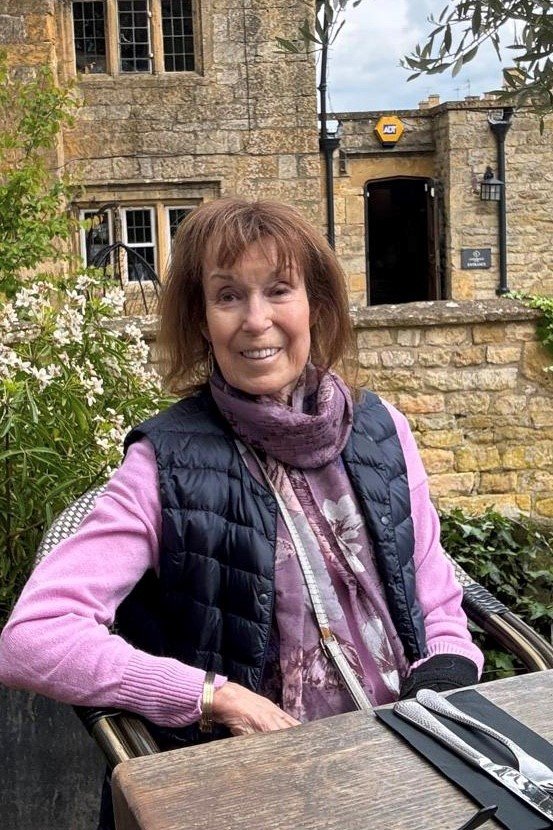
Before the Generations Study was set up, I was a very active supporter of Breakthrough Breast Cancer (now known as Breast Cancer Now), which I joined after I was diagnosed with breast cancer in 1992. I joined this organisation as I was passionate about breast cancer research and wanted to find out as much as I could about it.
-
When Professor Alan Ashworth and Professor Tony Swerdlow from The Institute of Cancer Research presented their ideas to find out the causes of breast cancer in a long-term study spanning 40 years, Breakthrough Breast Cancer was very supportive. They set up an advisory panel for the research and I was a participant representative on it. I was delighted that we were doing such a study, which would be different to other previous studies because it involved giving a blood sample to the researchers and would therefore be able to give them much more knowledge to go on than simply a survey. I continue to participate as I believe in the study and the important results over the last 20 years.
I have found it easy to participate and I have encouraged many others on the Isle of Man where I used to live, to join as well. My daughter, who is now a doctor herself, joined with me. When we were fundraising for breast cancer research and giving presentations, I found that the Generations Study was a very good subject to talk about as people are genuinely interested in the causes of breast cancer.
My husband died a few years ago, so my family is now my daughter, her husband, my twin granddaughters, and my son and his partner. I am retired from teaching biology in a secondary school, and my hobbies are music, singing and walking.
My diagnosis was a late one because I had presented nearly a year earlier with a lump in my breast but was told by the general surgeon that it would be benign, as with one or two others I had. After 10 months, I became increasingly worried and asked if I could have it removed, and a biopsy done. This was done and it was diagnosed as grade 2 oestrogen receptor positive breast cancer, which involved my lymph nodes. I had surgery, chemotherapy, radiotherapy and tamoxifen.
My life carried on as normal but always with the worry of the breast cancer returning. In 2005, I found I had another lump. This time it was diagnosed quickly, and I had a mastectomy and reconstruction. It was just grade one, so I didn’t have to have any treatment.
In 2017, I had extreme pain in my left arm, which has resulted in paralysis of my left hand from original radiotherapy damage in the brachial plexus, and I was diagnosed with tumours in that area as well as other areas. I have had very good treatment since then with palbociclib, a new targeted drug, which has kept the metastasis pretty much under control. However, I now have some small lung metastasis but I am told that I will receive another targeted hormonal drug.
I would like to say that my positive attitude is due to the advances in breast cancer research and, when the Generations Study started, I thought this was so important for future generations to understand more fully the causes of breast cancer. I am very grateful to everyone who works on the Generations Study.
Amanda Jones
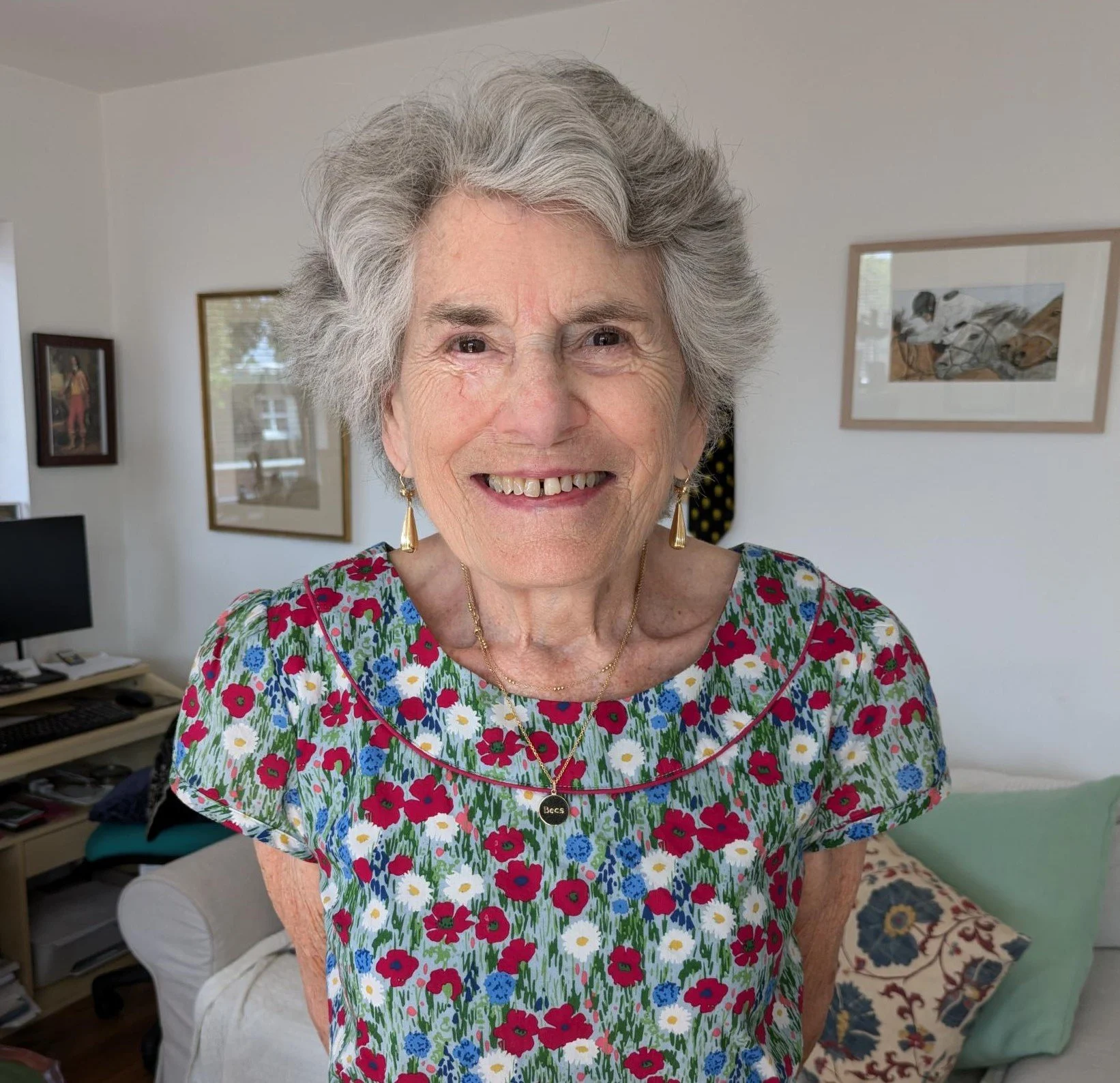
In 2003, my beautiful and beloved youngest child, Rebecca, died of breast cancer at the age of 32, just 11 months after being diagnosed. To face living without her, I contacted Breakthrough Breast Cancer, and, in desperation, I asked what I could do to help make breast cancer different for future generations -- both in terms of research and its outcomes. Through this original contact, I learnt about the Generations Study, and all that it meant, what it aimed to do, and how it was going to be a permanent part of exploration into breast cancer from 2004.
-
I signed up at once, along with my daughter Camilla, and my daughter-in-law Joanna. It was easy for us all and we knew that we were truly helping to make a big step into discovering the problems and varieties and dangers of breast cancer at that time. Having done this, I knew that I had committed to what was long-term, ongoing, developing exploration of breast cancer and I wanted to be part of this road of discovery for my darling Becs and every future person, woman or man, who developed breast cancer.
The process of participating has always been very uncomplicated – straightforward to complete and always received with gratitude and encouragement.
Born in 1942, I was educated at boarding schools. My father spent the war in Burma, and I didn’t see him until I was over three years old, when he returned, thankfully uninjured, to our flat in London. I was an only child, but my parents did everything to give me a varied and very happy childhood.
I studied at Westminster Hospital and graduated in radiography, a qualification which took me to London hospitals, hospitals in the Highlands of Scotland and in the south of France.
I married in 1964 and had three children, Camilla, Dominic and the youngest, Rebecca. We had (adored) cats and dogs of varied breeds, had family holidays in this country and abroad when possible. I enjoy being a member of book groups, French-speaking groups, swimming and being with my grandsons. A very blessed time. I took to running, an activity which gave me many chances to raise money for Breakthrough Breast Cancer and Breast Cancer Now. Over the years, I have raised a total of £300,000, to help with other projects at Breast Cancer Now.
Our family’s experience of breast cancer completely shattered our life in 2002, when Becs rang me from her home in France to say she had found a lump in her breast and her husband was going with her to the doctor that afternoon. Life changed for us all. Becs was immediately admitted to hospital to have the tumour removed and we all arrived in France to be with them both.
From then until she died, our families constantly commuted to and from France as her treatments accelerated. She had a mastectomy after two months and we all went up to the mountains to have New Year together, with our beautiful girl, with not a hair on her head, dancing on the table. We all felt New Year was making a difference, along with Herceptin and Taxol. But then in March, we all left for France as secondaries had spread uncontained and there was nothing else medically to be done beyond palliative care and we were with her when she died. She was in no pain and looking as beautiful as she always was.
I want to express just how much I, Camilla and Joanna, and their husbands, want us to always continue in the Generations Study, to participate in the advancements and the progress, both in memory of our beloved Becs and in celebration of all those who will be saved from breast cancer, and its effects, by the scientific successes resulting from the Generations Study.
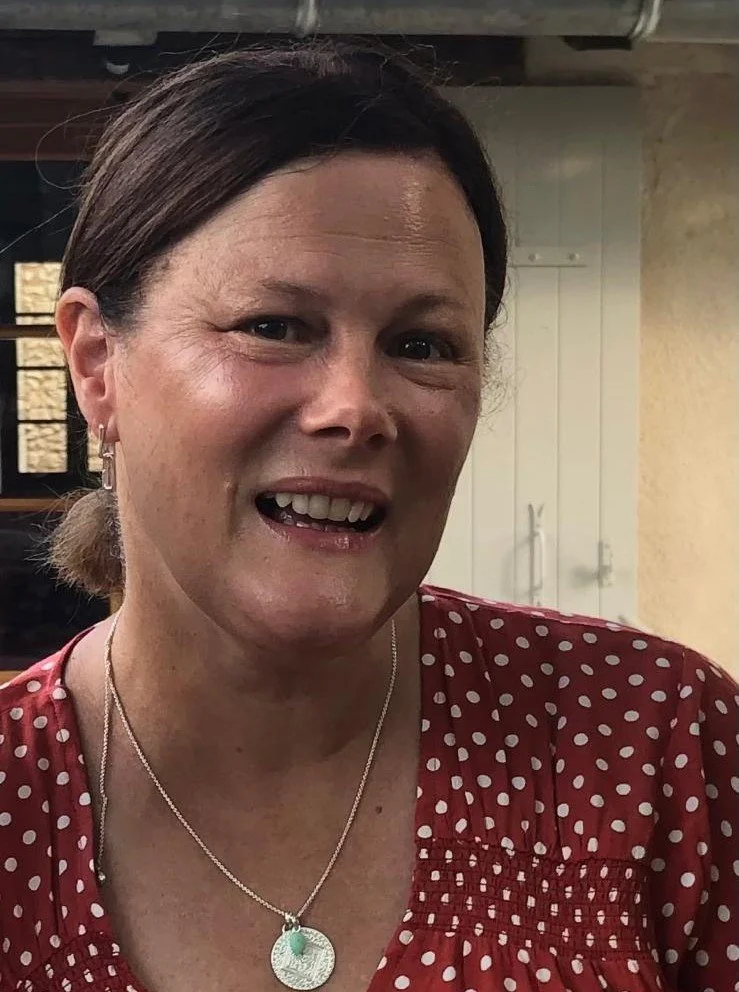
Joanna
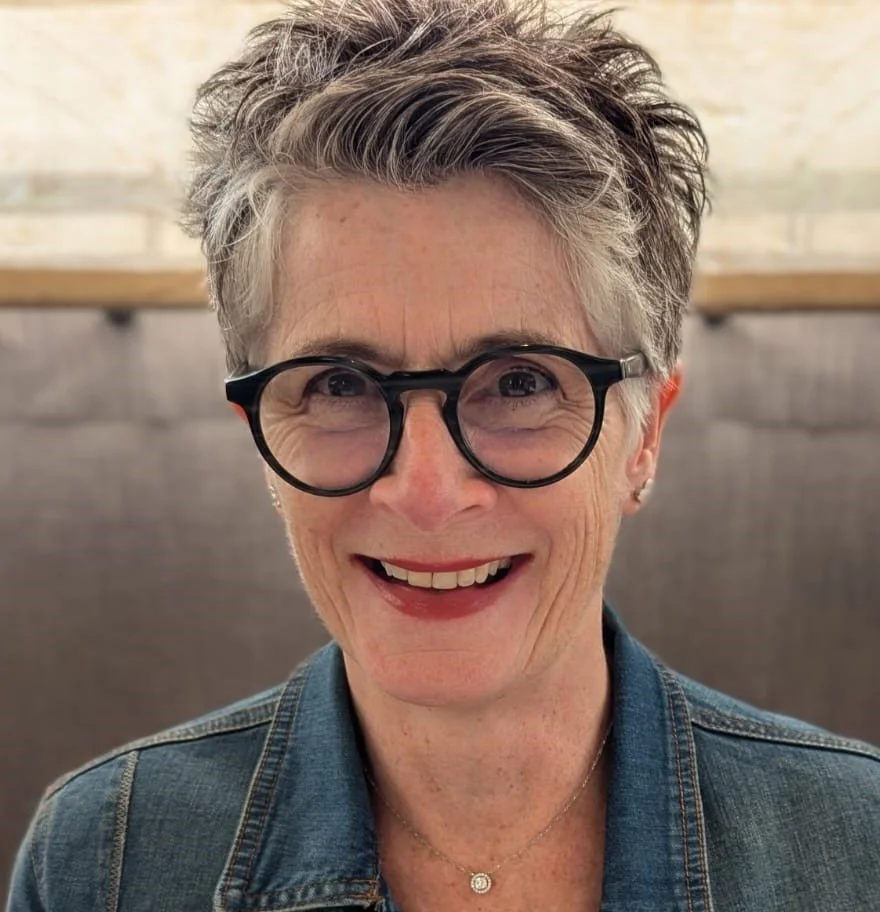
Camilla