
News & Stories

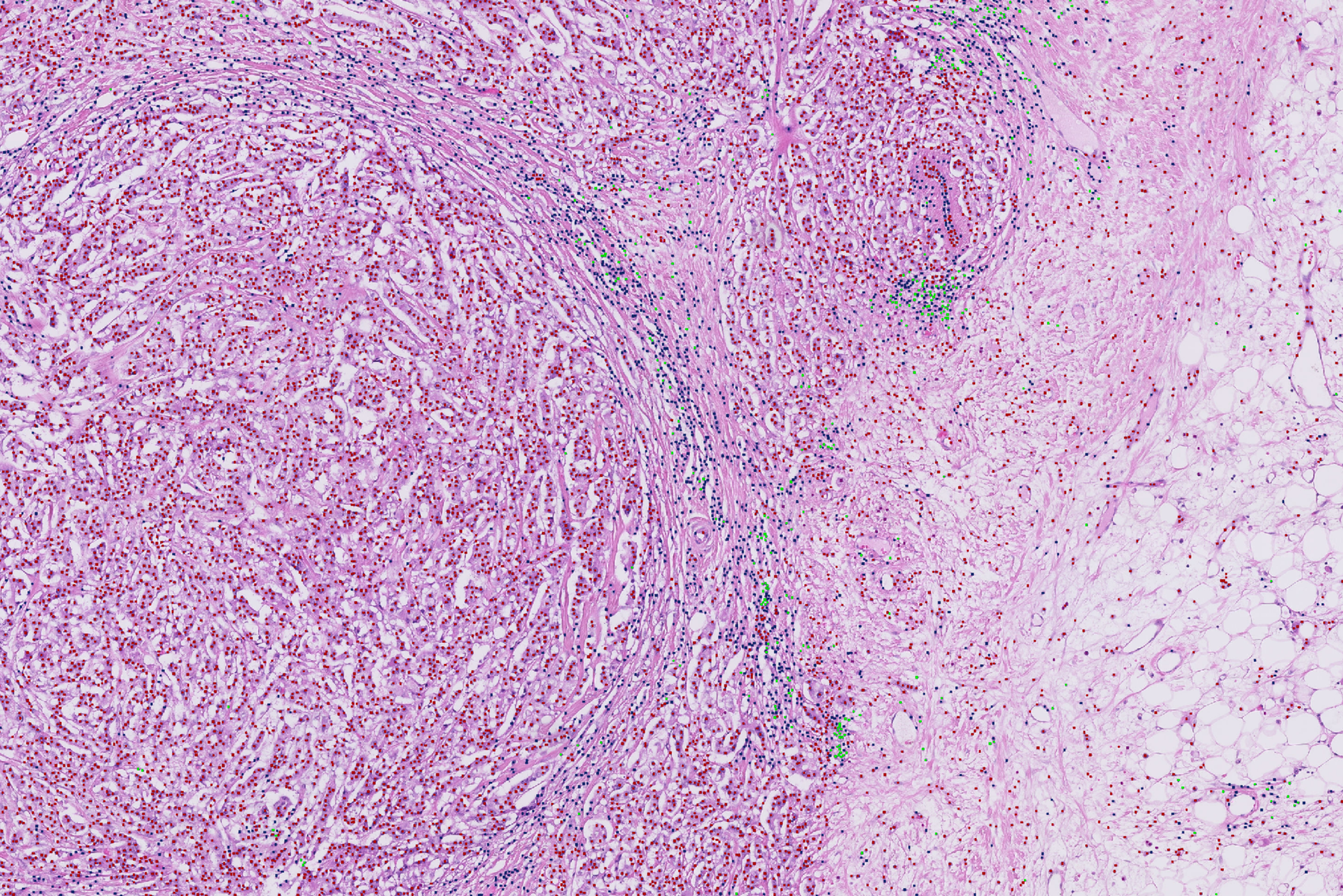
Meet fellow participants who have being diagnosed with benign breast disease
In this edition, two Breast Cancer Now Generations Study participants share their personal experiences of being diagnosed with benign breast disease. They reflect on how their condition was discovered, the information and support they received, and whether the diagnosis influenced their health or lifestyle choices.
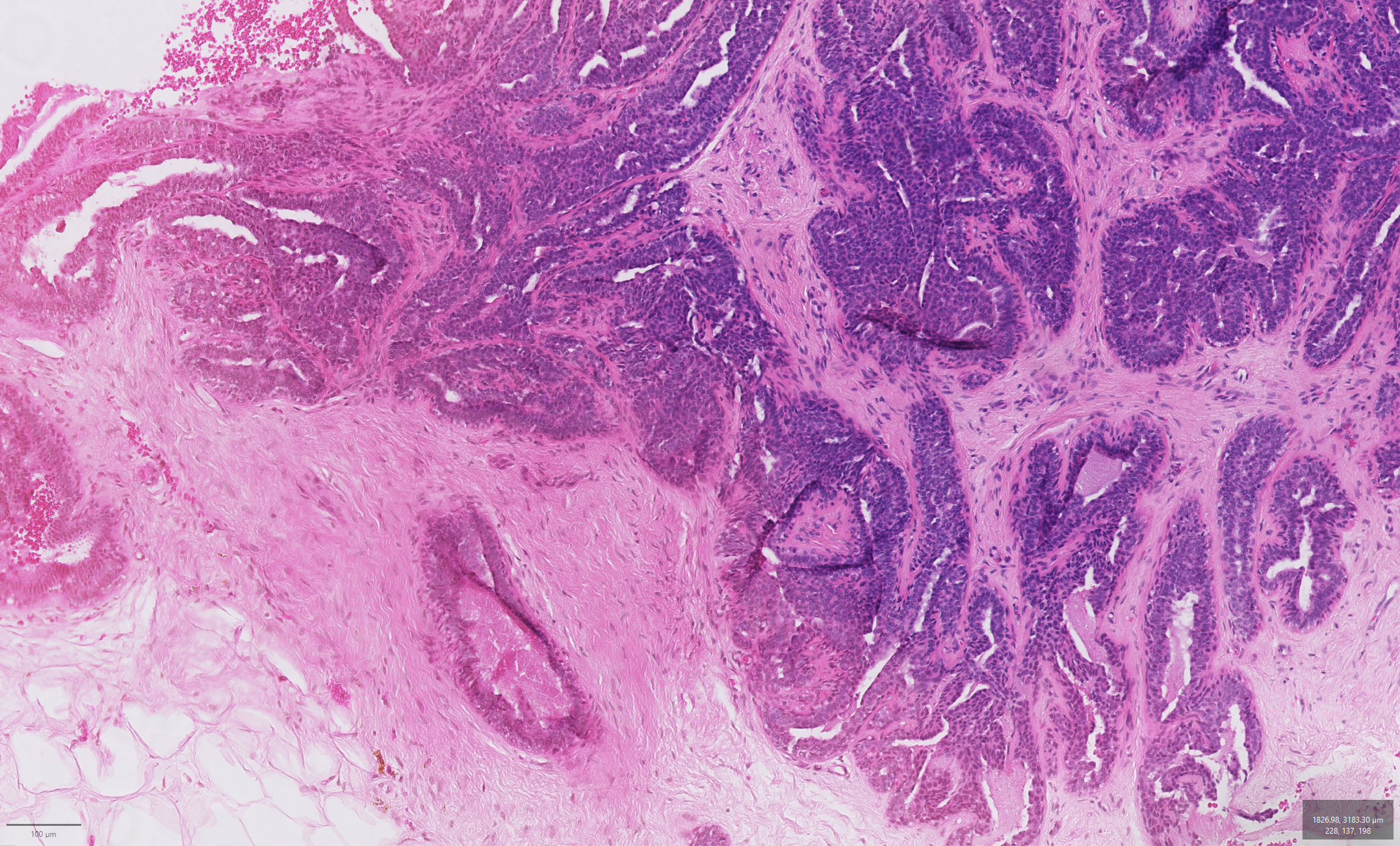
Using Artificial Intelligence (AI) to understand the link between benign breast disease and the risk of developing breast cancer
Using Artificial Intelligence (AI) to study images of breast tissue could help us predict which types of benign (non-cancerous) breast conditions are more likely to lead to breast cancer. Findings from this research could improve future clinical guidelines on how to best monitor women with certain types of benign breast disease.
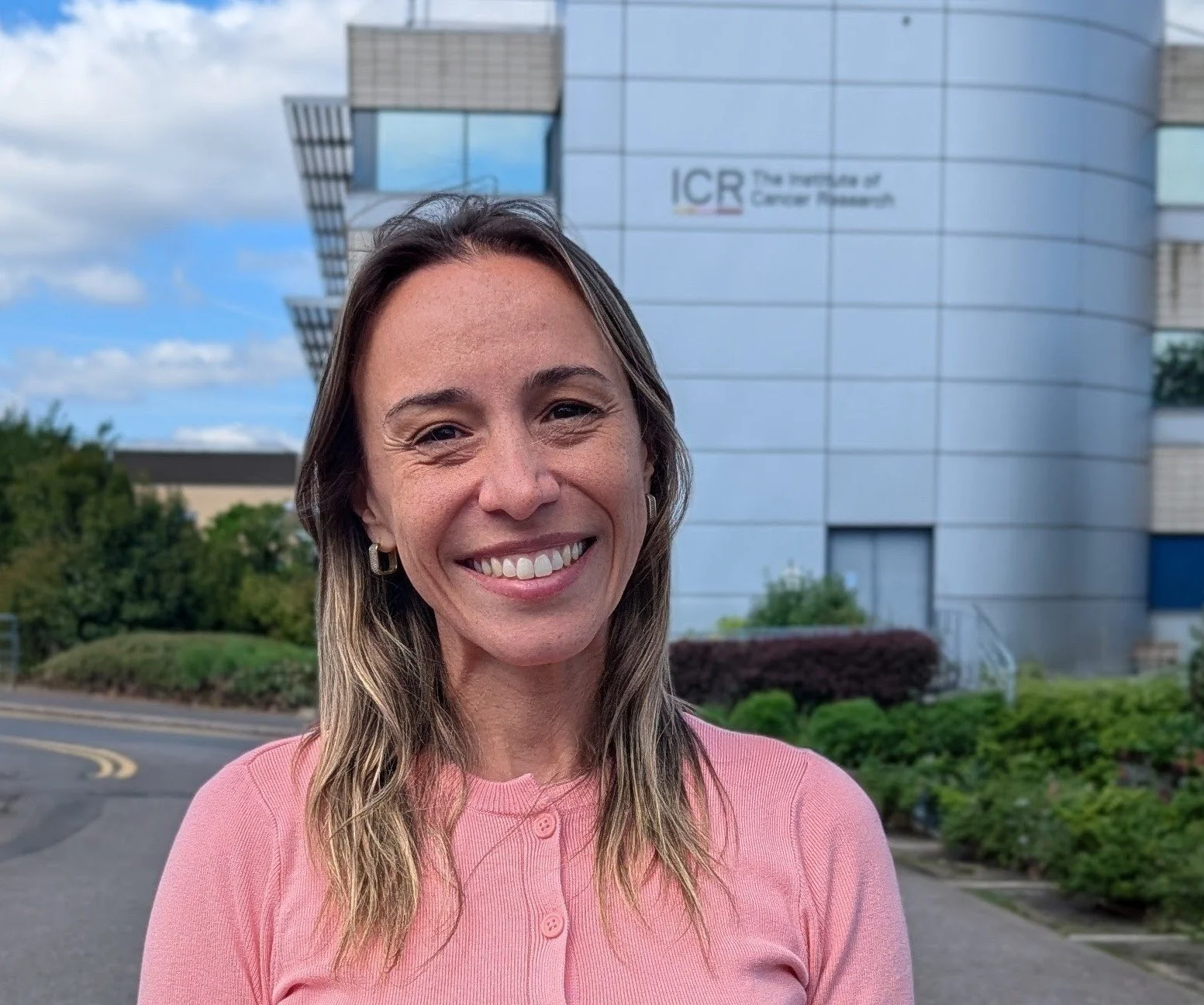
Meet Nathalie Kliemann, a Staff Scientist at the Generations Study
Nathalie Kliemann joined the Breast Cancer Now Generations Study team last year as a Staff Scientist. She oversees key study operations, including the newsletters and participant advisory panel, collaborations with other researchers, and the collection of new questionnaires and breast tissue samples. Nathalie also leads research projects looking at how lifestyle and the environment influence breast cancer risk and identifying opportunities for cancer prevention.

Linking to NHS prescription data can improve the quality of research
We are planning to obtain NHS prescription records for participants who consented to access to their medical records when they joined the study to examine new types of HRT and other prescription drugs that might affect cancer risk and women’s health. These data will provide more detailed information about prescribed medicines, dose and duration of use and, when combined with questionnaire responses, will help improve the quality and accuracy of our research.
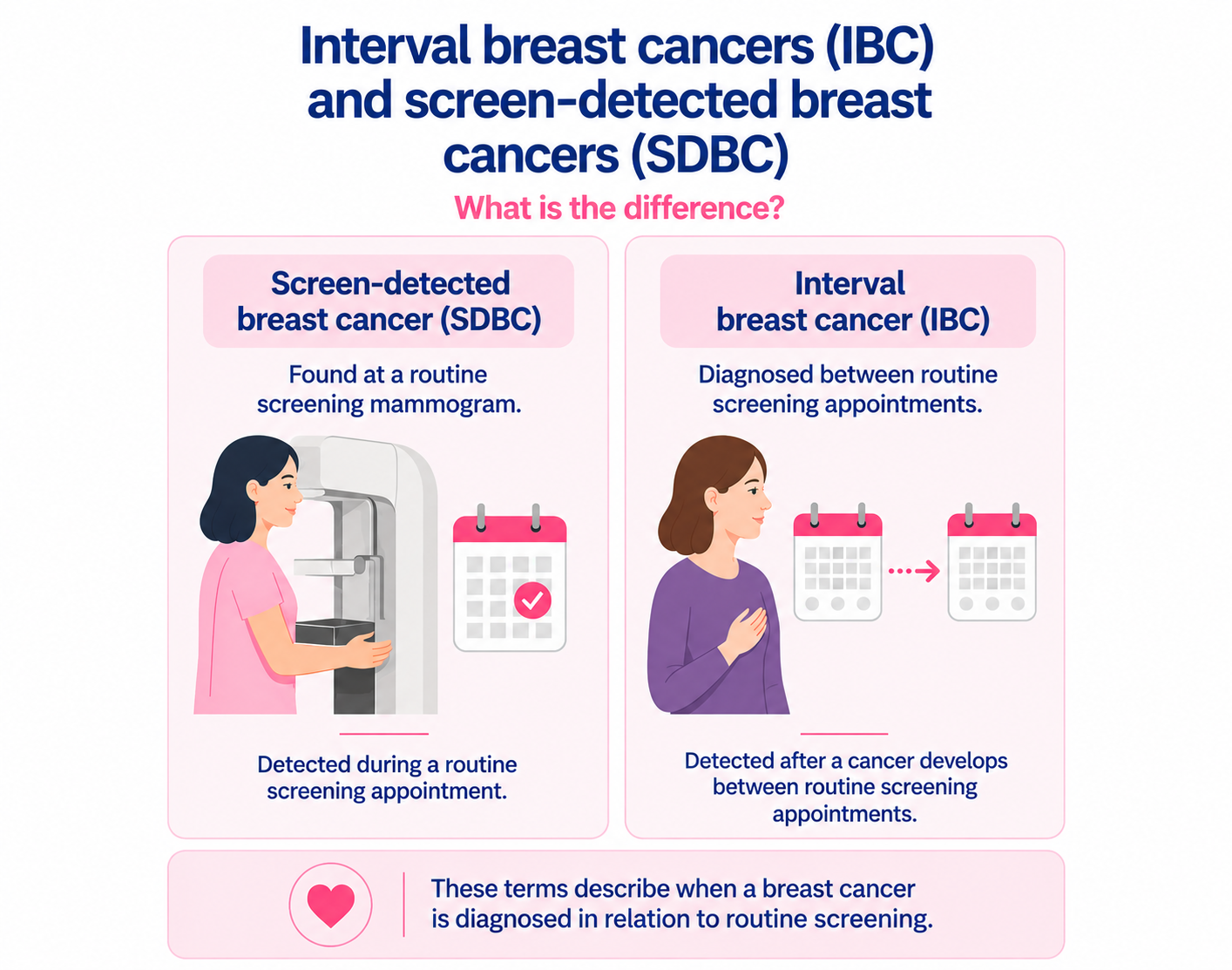
Understanding breast cancers found between screening visits
Using data from the Breast Cancer Now Generations Study, we compared women who were diagnosed with breast cancer between their screening appointments with women whose cancers were found at screening. Read more about the key findings from this study, which may help support recommendations for more personalised screening in the future, such as additional imaging or more frequent screening for some women.

The Generations Study research highlights gaps in breast cancer risk referral guidelines
New research using data from the Breast Cancer Now Generations Study found that current NICE criteria may miss up to 95 per cent of women under 50 who develop breast cancer within the following ten years. The study, co-led by researchers at The Institute of Cancer Research, London, and the University of Cambridge, calls for the referral guidelines used by GPs to be reviewed

Exploring Life After Breast Cancer: Can Physical Activity Improve Survival and Reduce Recurrence?
New research in the Generations Study is investigating whether physical activity affects the chances of breast cancer coming back or survival using data from 4,000 women and a new questionnaire to better understand life beyond diagnosis.
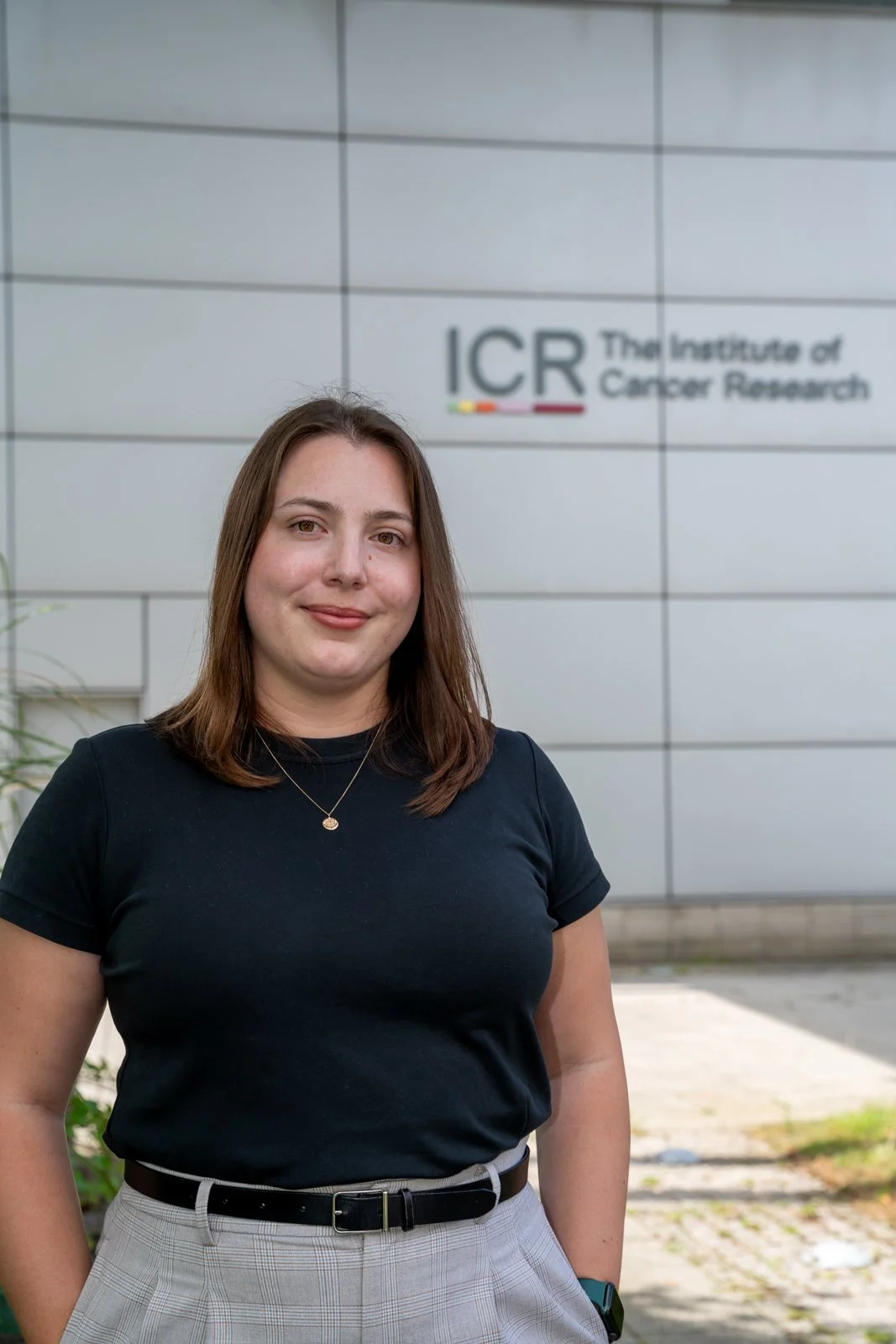
Meet Martina Brayley, a PhD student at the Generations Study
Martina Brayley is a PhD student at The Institute of Cancer Research, using data from the Generations Study to understand whether physical activity and obesity affect the chances of cancer coming back and survival.

Finding strength in movement: Participants share their motivation to stay active after a breast cancer diagnosis
In this edition, three Generations Study participants tell us about their motivation to increase physical activity after their breast cancer diagnosis. They share their concerns, perceived health benefits of being more active, and the types of support they believe could help others who are considering becoming more physically active.

A safer, more effective way to use Generations Study data for research
We are planning an important step to help make the most of the Generations Study, while continuing to protect your privacy. Over more than 20 years, the study has collected uniquely valuable information. To increase its impact, we are improving how researchers can access and use these data.