
News & Stories
Autumn 2024 Participant Newsletter
A 20-year journey: Highlights from the Generations Study
The Generations Study is celebrating its 20th anniversary. We want to take this opportunity to thank our participants for their participation and continued support of the study over the past 20 years. Here is a brief highlight of the amazing amount of data that has been collected, some of the important scientific findings and the key questions about breast cancer that we are currently asking.
★ High-Quality and Extensive Data Collection
• Over 70% of participants have completed 5 questionnaires
• Blood samples from more than 100,000 participants
• NHS breast screening records for over 70,000 participants
• Mammograms from over 4000 participants
• 12,000 women with physical activity tracker data
• Breast cancer tissues samples from over 2000 participants
★ Key Scientific Findings:
• Discovery of genetic risk factors: A newly developed genetic risk score can help to identify high-risk women, even if they do not have relatives with cancer. This could help with personalised prevention (for example, by taking risk-reducing drugs) and early detection (such as more frequent screening) for women at high risk.
• Reproductive history and cancer risk: 10 years after having a baby, women are less likely to get breast cancer compared to those who never had a baby. Although it is uncommon to have cancer soon after having a baby, the risk for having an aggressive cancer type (triple-negative) is slightly increased.
• Body weight and breast cancer risk: Higher body weight after menopause increases breast cancer risk. However, before menopause, higher body weight is linked to a lower risk of developing early onset breast cancer, and this connection is stronger than previously thought.
• Physical activity and cancer risk: Engaging in more leisure time physical activity can lower the risk of breast cancer before menopause.
★ Some priorities for the next five years building on our progress so far:
• Better breast cancer risk tools: Improve tools for predicting breast cancer risk by adding the latest discoveries such as genetic scores, artificial intelligence (AI) analyses of mammograms, and social and environmental factors. This will help women receive more personalised and effective care.
• Lifestyle changes and breast cancer prevention: Investigate how changes in lifestyle such as increasing physical activity can reduce the risk of breast cancer and improve survival after a breast cancer diagnosis. This will help women make informed choices to protect their health.
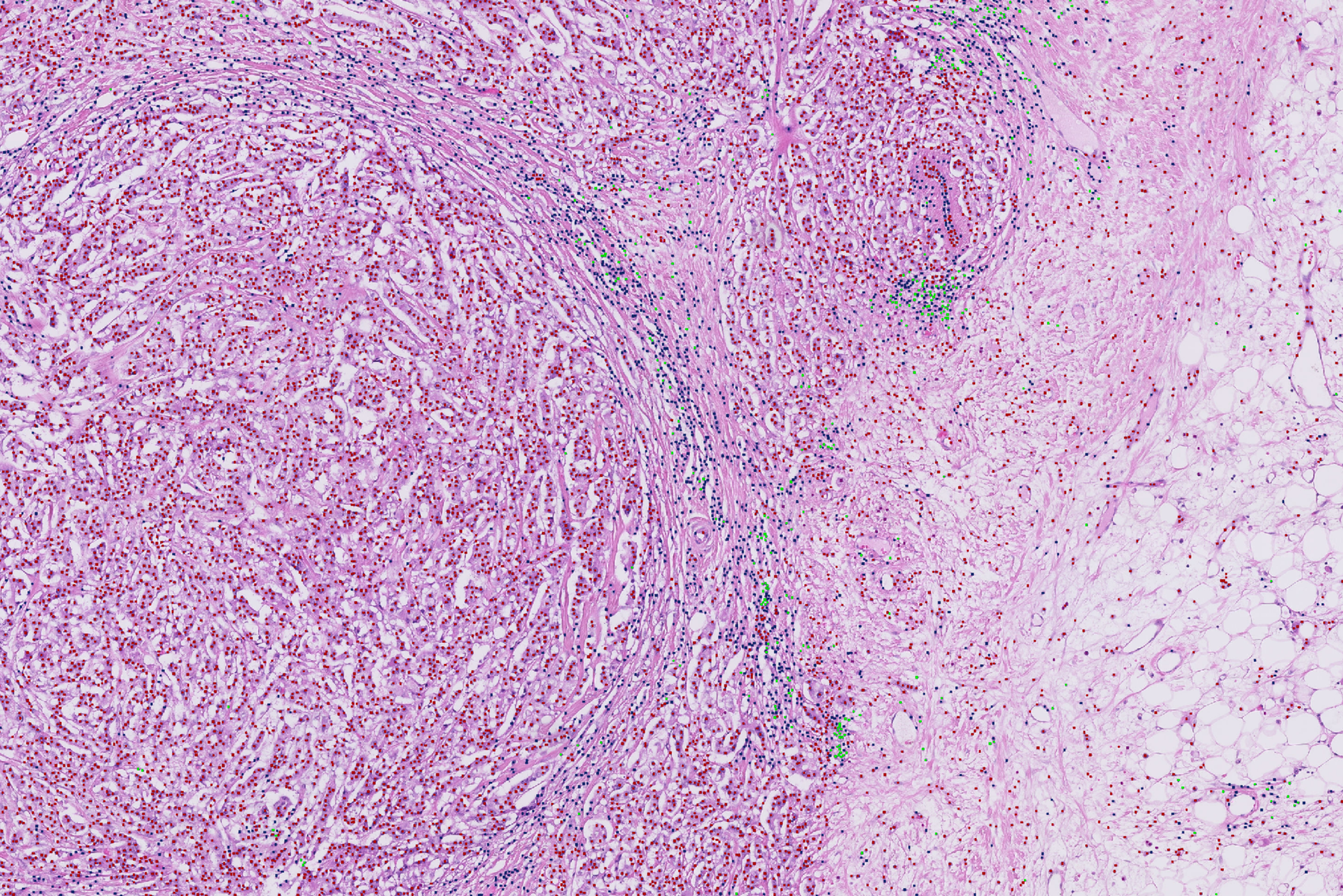
• AI analyses of breast tissue: Use AI to analyse breast tissue samples to help us find out what types of benign breast disease, such as fibroadenomas, are linked to a higher risk of developing breast cancer. This will help women with these benign conditions to understand their cancer risk and take preventive measures.
• Securely share Generations Study data: Make the Generations Study data securely available to the wider research community to enhance breast cancer research. This will accelerate discoveries and improve outcomes for women.