
News & Stories
Spring 2026 Participant Newsletter
Finding strength in movement: Participants share their motivation to stay active after a breast cancer diagnosis
In this edition, three Generations Study participants tell us about their motivation to increase physical activity after their breast cancer diagnosis. They share their concerns, perceived health benefits of being more active, and the types of support they believe could help others who are considering becoming more physically active.
Alison L.
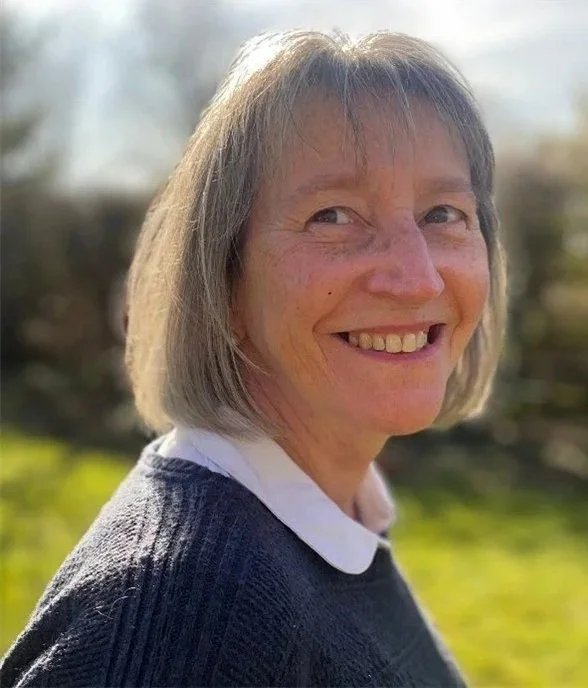
I felt I needed to get as physically fit as possible post treatment to support both my mental and physical health recovery. I was still reeling from my diagnosis and questioning ‘why me?’ I wanted to get back into yoga that I’d been practicing since 2004, as yoga has always offered time just for me and a nervous system reset. I had also always enjoyed walking in nature and wanted to use this to help my recovery.
-
Friends encouraged and supported me with this as it took a while to build up strength due to my treatment. I set myself a goal to run a 5k in the local area, so I started the Couch to 5k programme to support and motivate myself. It took me six months to learn to run again and complete the race. I was also invited to a quiet women-only swimming session which I found to be so therapeutic – it was supposed to be aqua aerobics, but the teacher was poorly herself, so it became a very gentle swim, building upper body strength and getting into a swimming costume again. Immediately post treatment I felt very insecure and physically weakened. So, getting out in the fresh air every day, rain or shine, yoga and some gentle swimming really enabled my recovery. Increasing my physical activity helped me to strengthen my upper body and start to get me out again amongst people who did not know about my breast cancer diagnosis.
I had some concerns about being physically active after my diagnosis. I was very worried about my surgical scars following a full mastectomy and DIEP Flap reconstruction. The reconstructed breast felt very large and I felt very self-conscious about this. I had had three surgical procedures on this breast due to a bleed following the first surgery and it therefore took a long time to recover and settle down. It was very difficult to find a bra to fit – all contributing to my concerns about becoming physically active again. But I was advised by my plastic surgeon that I needed to start exercising and not be so fearful about my internal sutures. As a nurse myself, I recognised how important it was to start increasing my physical activity. At the time of my recovery, some of my close girlfriends signed up for the Moon Walk, and as I had recovered my physical strength whilst they were practising, I joined them on these gentler walks.
Increasing my level of physical activity has made me stronger and fitter now than before I had my breast cancer diagnosis. I practice yoga daily and walk in nature five times a week. I have found the main health benefits for me are the acceptance of my breast cancer and acknowledgement of how being physically active has helped me through my journey. I now recognise how amazing my body is every day – for the first-year post diagnosis, I felt let down by my body. I am fit and well and have no health issues to report; I sleep well – being physically active really helps me to sleep and wake feeling refreshed. I have noticed that if I have not exercised for a couple of days, my joints start stiffening up which is a great incentive to remain physical active. Having a ‘friend’ to give support and help rebuild strength, confidence and physical activity is a great incentive.
I think gentle yoga sessions, maybe on a one-to-one basis would be helpful to patients, helping to build trust in their body again. The breathing practice and relaxation enabled me to calm my mind and start the acceptance process of my diagnosis which I was finding very difficult at the time. Also, walking in nature, even if just a few steps every day with someone to accompany breast cancer patients, and swimming at a quiet time designed for women with physical health issues, would be of great benefit.
Since my diagnosis and treatment, I have trained as a yoga teacher and yoga therapist and hope to build my next career stage supporting other people with a cancer diagnosis to start physical activity again.
Shirley T.
After my breast cancer diagnosis, I wanted to support my recovery as best I could. When I was handed a leaflet on osteoporosis prevention, along with guidance on diet, it emphasised the importance of regular walking and exercise for maintaining strong bones. This motivated me to keep healthy through exercise.
-
I had some initial concerns as I knew recovery could take time, and the thought of building back strength could feel daunting, but the information provided by the breast care nurses was reassuring.
I started gentle exercise and slowly; within six months I had increased my exercise. I felt fitter than before my diagnosis. This is despite taking Anastrozole for five years.
I would encourage any exercise as a positive. Start by walking gently, building up strength slowly. Outside walking, especially within nature, is a good start and it also helped me mentally.
I started walking with a friend who over time noticed that my energy had increased and while walking we were also talking, which helps take your mind off things and makes it more enjoyable.
Lynda
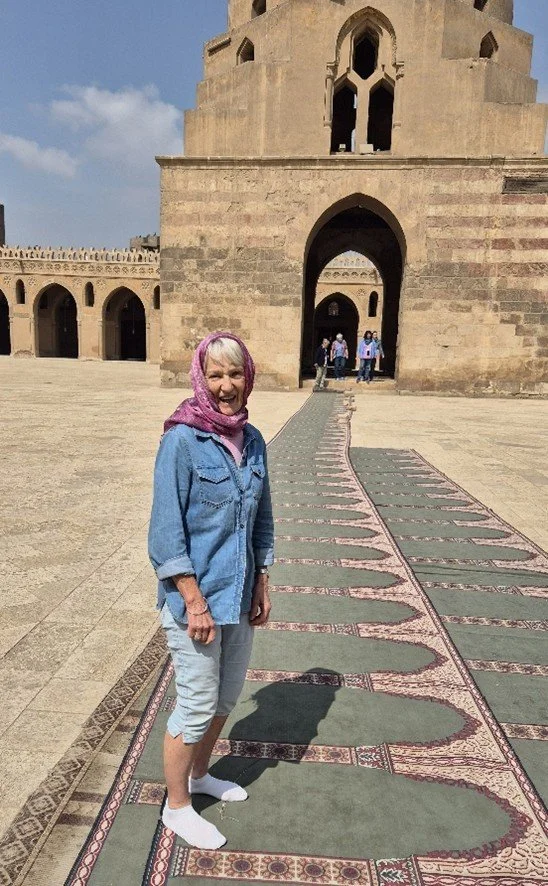
I was a Chartered Physiotherapist, so I have always considered that it is in one’s own interest to maintain one’s body in a good condition. The breast cancer diagnosis came as a shock but after completing my treatment I wanted to get back to doing everything that I had been doing before.
-
I didn't have any concerns about being physically active after the diagnosis and treatment once the operation scar was healed and the tiredness had passed. The radiotherapy had caused the tissue to tighten, so I thought it was important to keep the maximum movement/stretch in the muscles affected. It is now 10 years since my diagnosis, and the affected left side is still less stretchy than the right side.
As a health professional, I provided my own advice and guidance about what physical activity to do after the treatment. I have enjoyed doing Scottish country dancing for approximately 40 years, so I continued with that. I had also been attending a Pilates class, which I still do, and also a weekly Tai Chi class.
The dancing is great fun and good aerobic exercise. Pilates is good for core strength, balance, flexibility and range of movement. Tai Chi is like a moving meditation, it is good for balance, flexibility of joints and muscle tone, especially legs and back.
I am not 'sporty' but have always been physically active. I consider it essential to maintain the maximum range of movement possible in one’s joints and good muscle strength. I think that physical activity helps to keep my blood pressure low and helps avoid weight gain, as I am aware that excess weight is especially bad for joints and can lead to other health issues. Being physically active and participating in various types of exercise helps me to maintain a beneficial lifestyle, i.e. doing all the things, activities and holidays that I enjoy.
As well as exercise I also think diet is extremely important, so I try to eat a well-balanced diet. Other forms of exercise that I enjoy are walking and gardening.
Self-motivation is hard if you do not enjoy exercise. I think finding some form of enjoyable exercise is essential. Joining a class would probably help or going with a friend to swim or play a sport. A walking group could be a good place to start but there are so many different types of activities, it's just finding one that appeals. I think it would be good for local breast cancer groups to possibly help by linking up cancer patients to help them try exercise.