
News & Stories
Using Artificial Intelligence (AI) to understand the link between benign breast disease and the risk of developing breast cancer
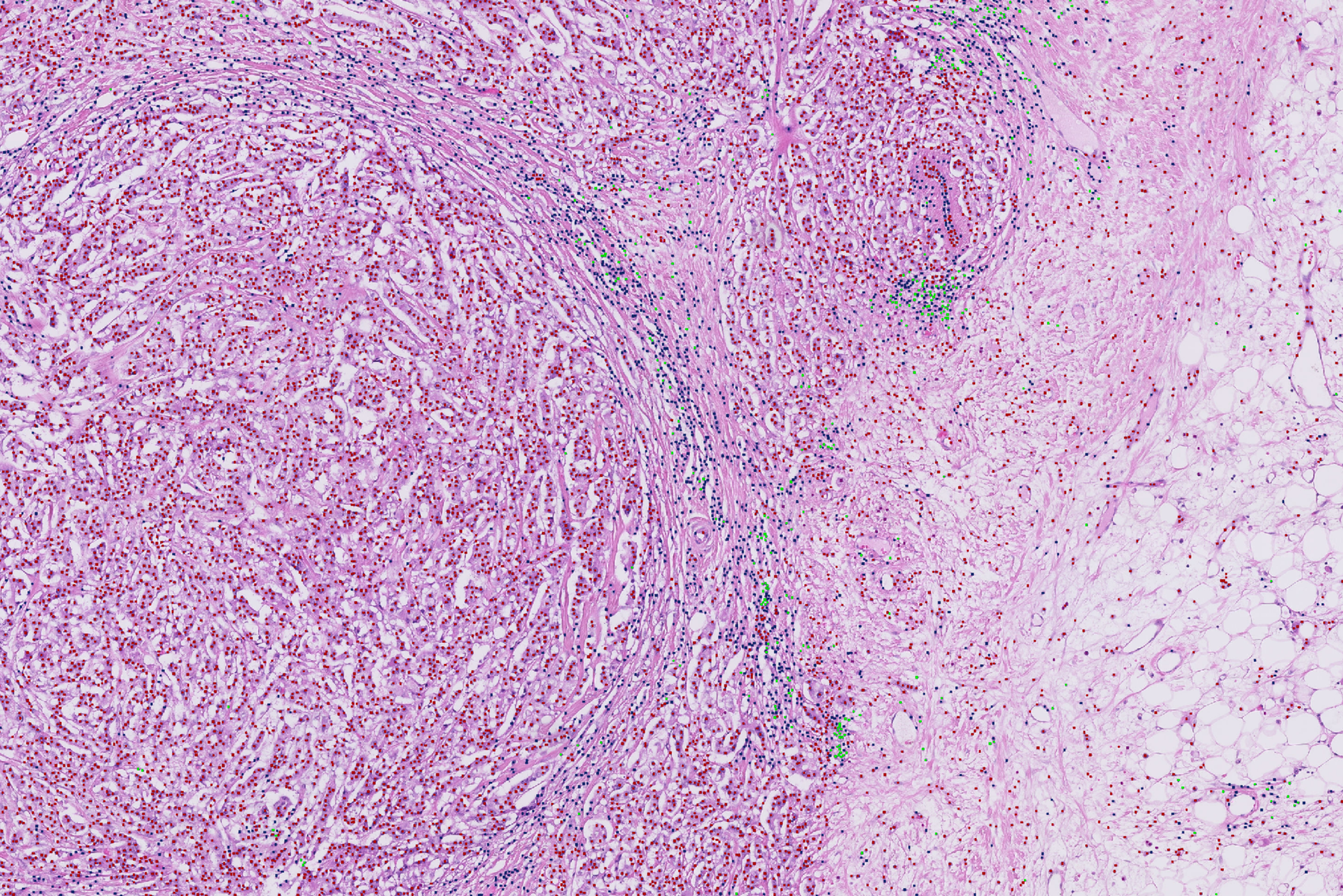
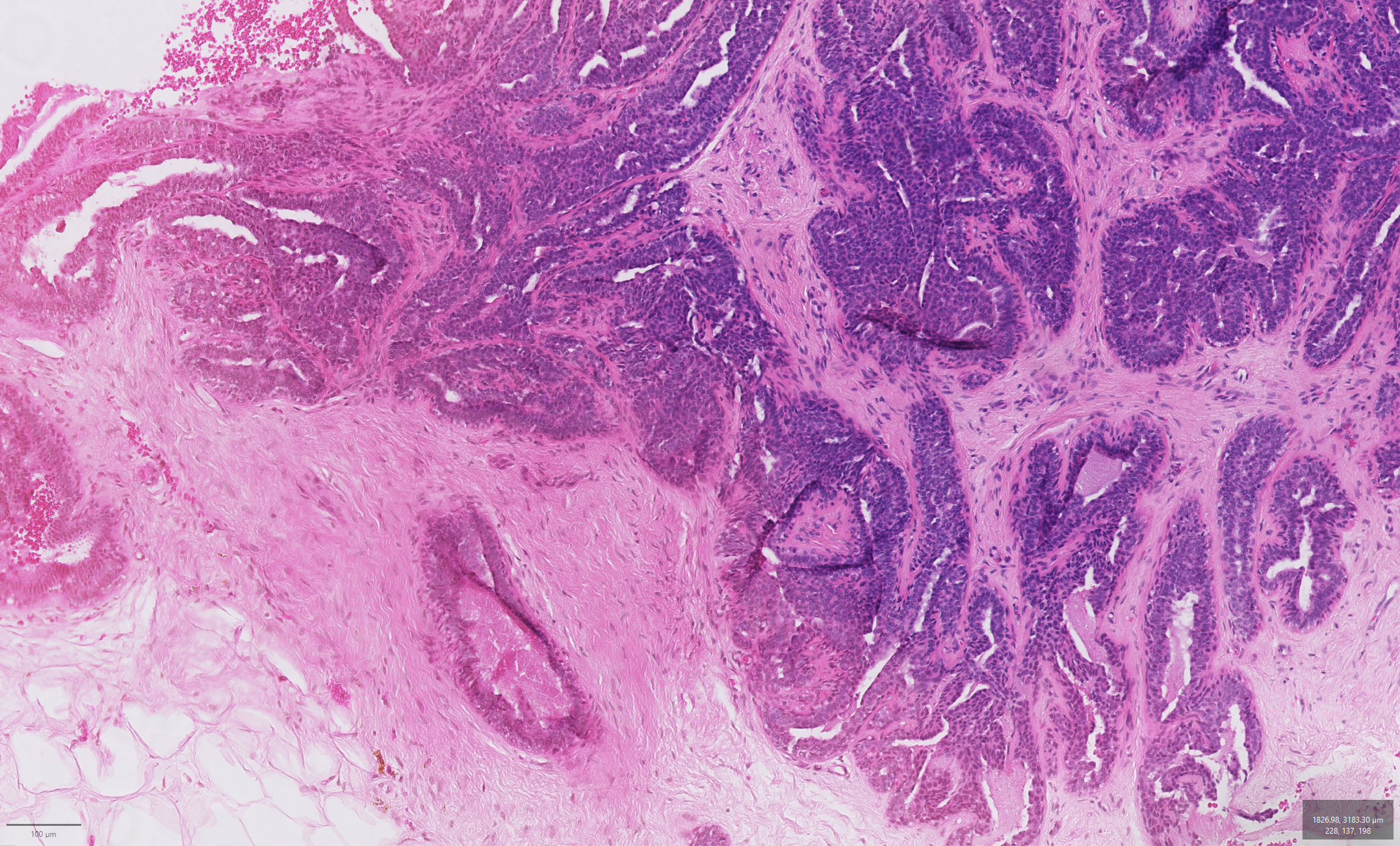
Using Artificial Intelligence (AI) to study images of breast tissue could help us predict which types of benign (non-cancerous) breast conditions are more likely to lead to breast cancer. Findings from this research could improve future clinical guidelines on how to best monitor women with certain types of benign breast disease.
Understanding breast cancers found between screening visits
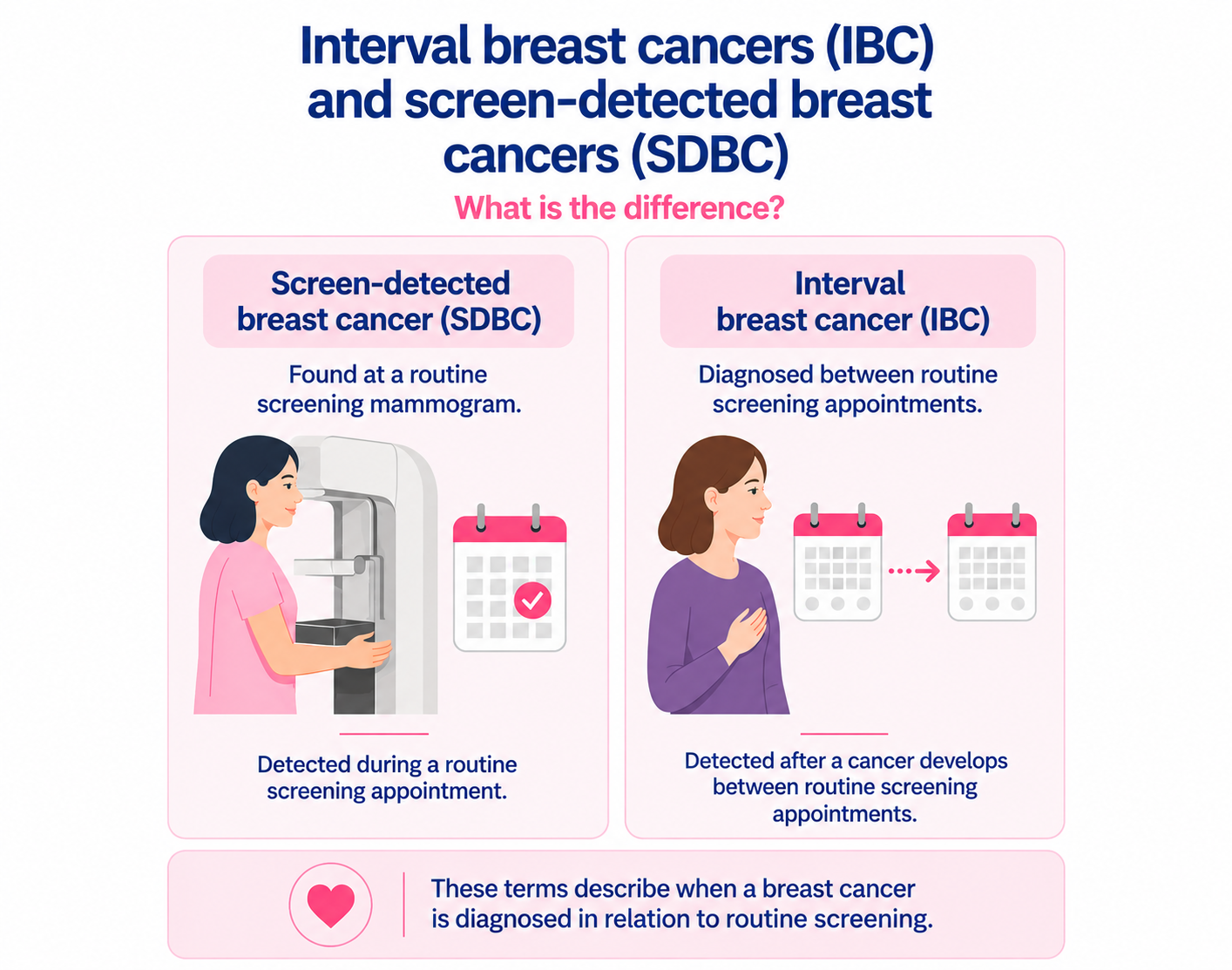
Using data from the Breast Cancer Now Generations Study, we compared women who were diagnosed with breast cancer between their screening appointments with women whose cancers were found at screening. Read more about the key findings from this study, which may help support recommendations for more personalised screening in the future, such as additional imaging or more frequent screening for some women.

Exploring Life After Breast Cancer: Can Physical Activity Improve Survival and Reduce Recurrence?
New research in the Generations Study is investigating whether physical activity affects the chances of breast cancer coming back or survival using data from 4,000 women and a new questionnaire to better understand life beyond diagnosis.
A New Step in Understanding the Genetics of Breast Cancer and Women’s Health
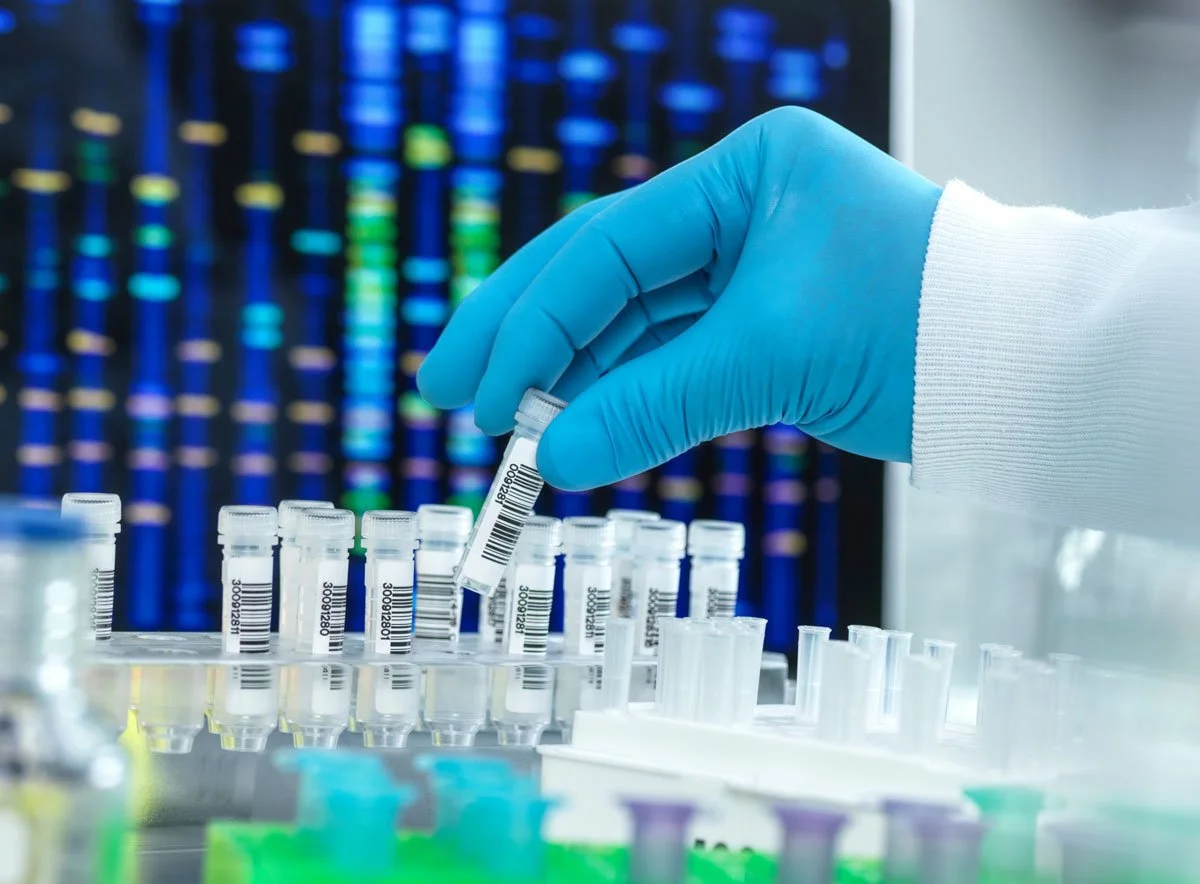
The Breast Cancer Now Generations Study is now using large-scale DNA sequencing to better understand genetic risk factors for breast cancer and other women’s health conditions. This could lead to improved, more personalised screening and prevention for all women—not just those with a family history. The research meets our rigorous security and privacy standards and is conducted in partnership with Regeneron, a global biomedical research company.

A 20-year journey: Highlights from the Generations Study
The Generations Study is celebrating its 20th anniversary. We want to take this opportunity to thank our participants for their participation and continued support of the study over the past 20 years. Here is a brief highlight of the amazing amount of data that has been collected, some of the important scientific findings and the key questions about breast cancer that we are currently asking.